scattered clouds 3.8°C
 English
 Česky
Česky Deutsch
 Русский
Tourist Attractions
Teplá River Valley - Údolí Teplé
The Teplá River between Bečov and Loutnový, connects the sections of the Otročínský, Pramenský and Mnichovský Creek, about 8-16 km north-northeast of Mariánské Lázně.
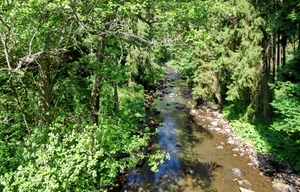
Skalníkovy sady
"Skalnikovy sady" park dominates the town and is one of the most popular among tourists. It was created at the end of the 19th century at the same time as the town.
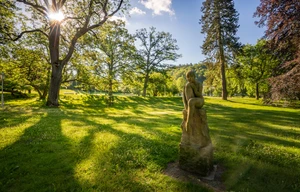
Friedrich Wilhelm Heights
This dominant lookout point is located on the top of Žižka Hill. The location was named in honour of Prussian King Friedrich Wilhelm IV who laid the foundation stone of the altar in the town's Evangelical Church in June 1857.

The Kladruby Monastery
The former Benedictine Monastery of Kladruby, an important historical site, looms over the valley of the Úhlavka River.
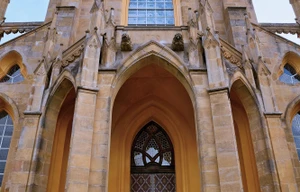
Ferdinand Spring Colonnade
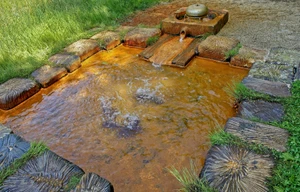
As you enter the beautiful park in Mariánské Lázně - Úšovice, you will see the Ferdinand Spring Colonnade (Kolonáda Ferdinandova pramene). Like other local colonnades, this one was also built at the instigation of the Abbot of the Teplá Monastery in 1827.
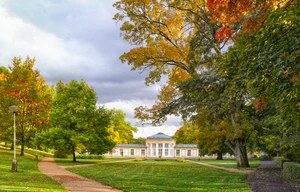
Lazura Hill - Lazurový vrch
A northeast hillslope of Lazura Hill, about 1.5 km north-northwest of Michalové Hills. A debris forest with silver fir and wild cherry on a basal substrate of Lazura Hill, with the partial character of an old growth forest.
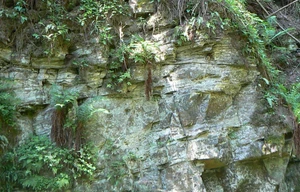
Milhostov Mofette
This is group of sulphur dioxide gaseous effluences at Milhostov. It was declared a natural monument to protect the mofette, or discharge of gaseous sulphur dioxide.
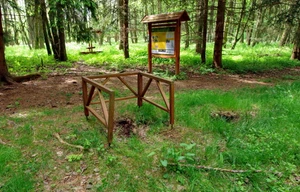
Komorní hůrka educational trail
Komorní Hůrka is our youngest volcano – it was known to be active around 850,000 years ago, with some evidence suggesting it only became dormant as recently as 350,000 years ago.
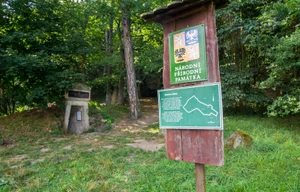
Barren Hill - Planý vrch
This is a natural pine growth area on the southeast slope of Planý Hill with exposed serpentinite rock formations, partly interrupted by a small extinct rock quarry covered by a rare botanical community.

SOOS Educational Trail
The shallow basin between the Vonšovský and Sooský Creeks (at the Nový Drahov train station, 6 km from Františkové Lázně) is divided by a mound of silicious sand into two parts.
Waldstein Monument
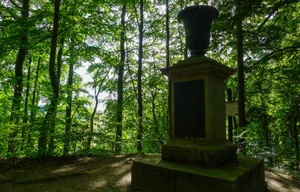
Visitors can find the Waldstein Monument behind the headquarters of the Mariánské Lázně spa company. It was built in 1836 in honor of an illustrious visitor Earl Ernest von Waldstein-Wartenberg.
Mnichovské Hadce Educational Trail
Around Křížky, and more generally in the area between Prameny and Mnichov, you’ll find one of the most interesting natural areas in the Slavovský Forest. The newly-created educational trail introduces visitors to the largest serpentinite complex in Bohemia as well as one of the most interesting areas in the central part of the Slavkovský Forest protected area.