clear sky 3.8°C
 English
 Česky
Česky Deutsch
 Русский
Tourist Attractions
Alpine Hill - Podhorní vrch
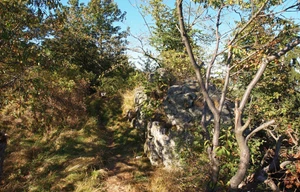
Located near Ovesné Kladruby, the highest peak of the Tepelský flatland, a remnant of tertiary volcanic activity with significant geomorphological phenomena.
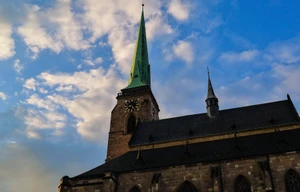
Pilsen
The largest city in Western Bohemia was established at the confluence of four rivers - the Úhlava, Úslava, Mže and Radbuza - which all flow together here to create the River Berounka.
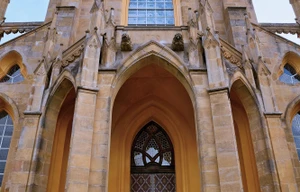
Loket Castle
Loket is a very old town with a castle of the same name. Both rise above the valley of the Ohře River between Karlovy Vary and Sokolov.
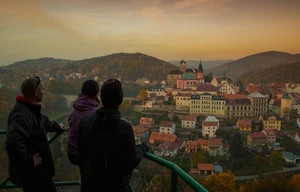
The Kladruby Monastery
The former Benedictine Monastery of Kladruby, an important historical site, looms over the valley of the Úhlavka River.
Cheb
Straddling the Ohře River, Cheb is the westernmost major town in the Czech Republic

Karlovy Vary
Karlovy Vary is a popular spa resort named after its founder, Emperor Charles IV. Legend has it that Charles discovered the hot springs while chasing a stag.
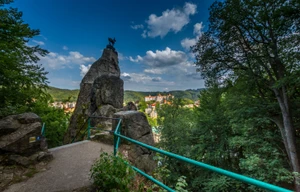
Homolka
About two kilometers south-southeast from the town of Bečov Nad Teplou, not far from the road to Chodov, is a natural monument. It was established to protect the rock formations made of basalt chimney formation with typical column cleats.
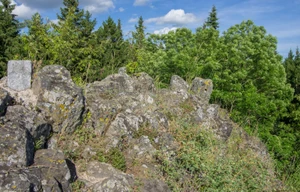
Čiperka
One kilometer north of the village of Michalovy Hory, we come across the emergence of carbonated water, one of the best-known acidulous water sources of Slavkovský Forest: Čiperka.
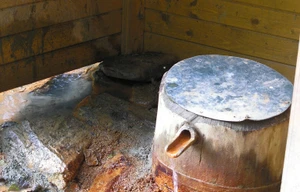
Kynžvart Rock - Kynžvartský kámen
Kynžvart Kámen is one of the lesser known natural monuments of Slavkovský Forest. It’s located not far from the old route connecting the train station of Lázně Kynžvart with the town itself, north of Luční Pond.
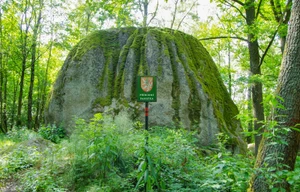
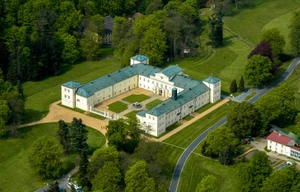
Lázně Kynžvart
A small, intimate town nestled on the edge of a beautiful forested area, Lázně Kynžvart was founded in 1214 and boasts an impressive past.
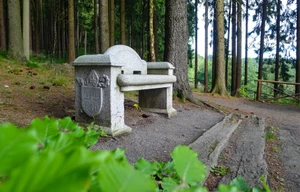
Clements' Place
Its beauty and serenity made this place a favourite with the Abbot Alfréd Clements of Teplá. A simple wooden bench stood here where the dignitary often used to sit. During his time as Abbot, Mariánské Lázně experienced the largest building boom of its early development (1888–1900).
Teplá River Valley - Údolí Teplé
The Teplá River between Bečov and Loutnový, connects the sections of the Otročínský, Pramenský and Mnichovský Creek, about 8-16 km north-northeast of Mariánské Lázně.